| |
PWH Disability Rate 44%; 60% >65 Age USA: "expand RW services"
|
| |
| |
Download the PDF
Overall, 44.5% reported any disability; the most frequently reported disabilities were related to mobility (24.8%) and cognition (23.9%).
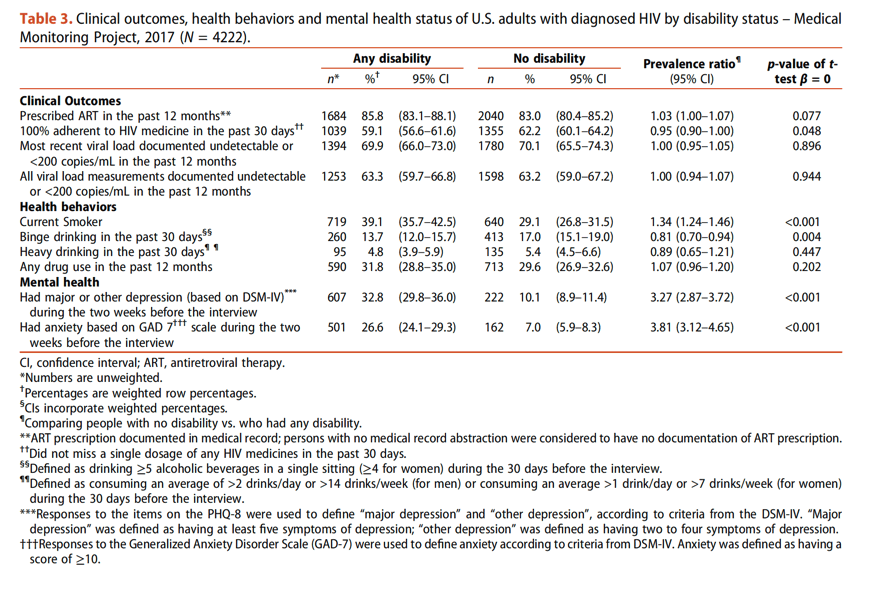
Prevalence of depression and anxiety was higher among persons with any disability compared with those with no disability (32.8% and 26.6% versus 10.1% and 7.0%, respectively)."
Prevalence of depression and anxiety was higher among persons with any disability compared with those with no disability (32.8% and 26.6% versus 10.1% and 7.0%, respectively).
Enhancing support from clinicians and ancillary providers may help optimize long-term health outcomes among HIV-positive persons with disabilities.
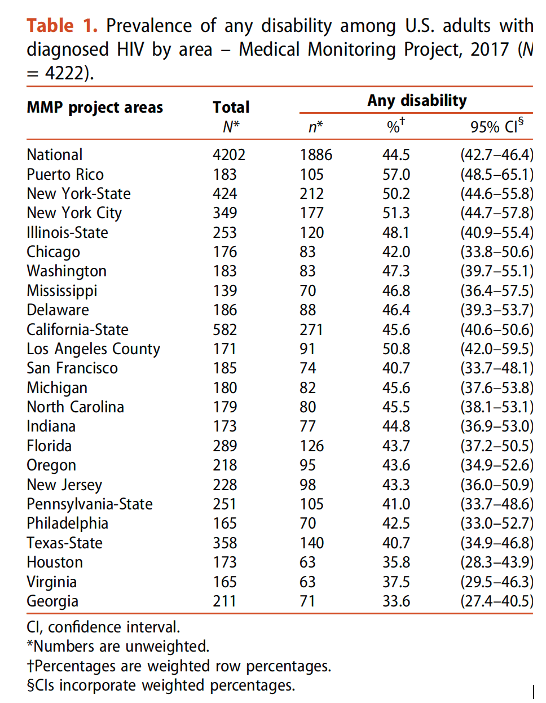
Overall, 44.5% (CI 42.7-46.4) of adults with diagnosed HIV reported any disability; 13% reported three or more disabilities. The most frequently reported disability was difficulty related to mobility (24.8%, CI 23.2-26.4), followed by cognition (23.9%, CI 22.2-25.6), independent living (12.5%, CI 11.3-13.8), vision (12.5%, CI 11.0-14.1), hearing (9.7%, CI 8.5-11.1) and self-care (7.0%, CI 6.1-8.1) (not in tables). The prevalence of any disability differed across MMP project areas, ranging from 33.6% in Georgia to 57.0% in Puerto Rico (Table 1).
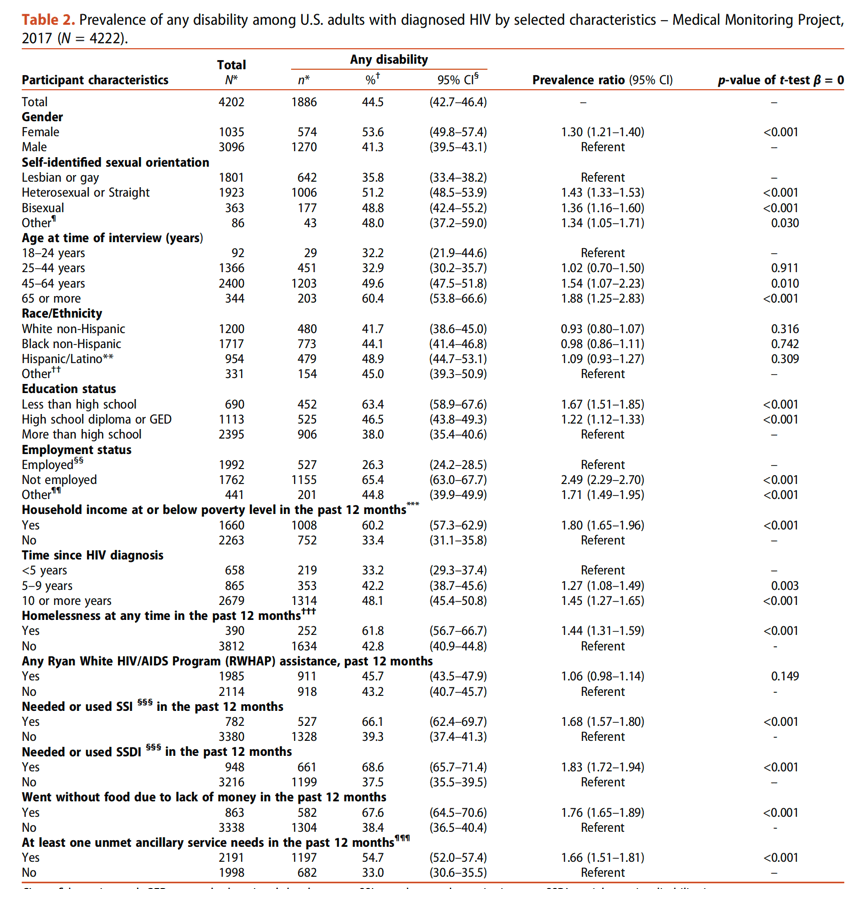
Women reported a higher prevalence of any disability than men (53.6% vs. 41.3%) (Table 2)
Discussion
The prevalence of any disability among adults with diagnosed HIV is higher than in the general population (44.5% vs. 25.7%) and is also higher among those aged 45-64 years (49.6% vs. 28.6%) and 65 or more years (60.4% vs. 41.7%) - indicating the substantial burden of disability among persons with HIV (Okoro et al., Citation2018). Like previous studies among the general population (Courtney-Long et al., Citation2015), the wide variation in the prevalence of disabilities among adults with diagnosed HIV across U.S. jurisdictions may reflect geographic differences in demographic factors, health behaviors, health care access or combinations of these factors, and highlights the importance of monitoring of disability status in this population by area.
Our findings indicate that adults with HIV who are living with any disability may need enhanced access to ancillary services that can support their needs for housing, food or nutrition, substance abuse and mental health services to improve their health outcomes (Conviser & Pounds, Citation2002)......... expanding its (RW) patient-centered medical home model may improve access to care for persons with disabilities (Pappas et al., Citation2014).
|
|
| |
| |
|
|
|


