| |
Clinical phenotypes and incidence of acute or recent hepatitis C virus
infection and bacterial sexually transmitted infections among MSM with HIV
|
| |
| |
AIDS Sept 2026
Download the PDF here
Download the PDF here
Discussion
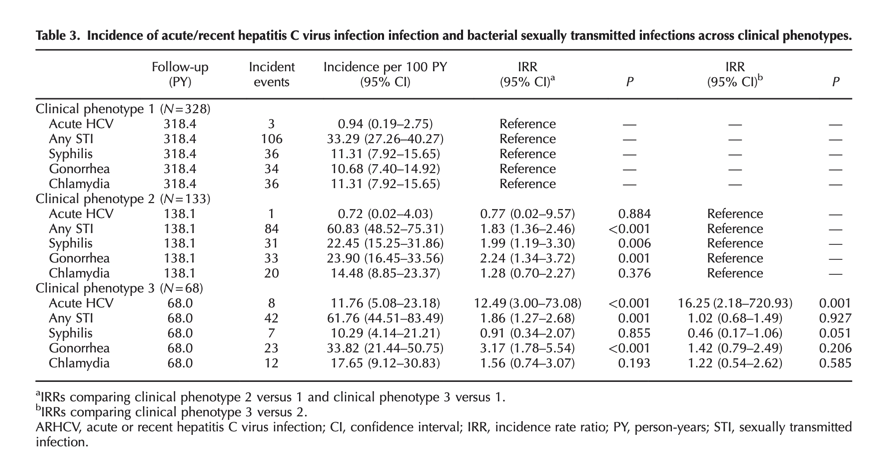
In this prospective multicenter cohort of MSM with HIV in Madrid (2022–2024), conducted in a context of broad access to DAAs and during a period when DoxyPEP was not implemented, three data-driven phenotypes stratified 12-month incidence of ARHCV and bacterial STIs. ARHCV incidence was concentrated in the phenotype characterized by high-intensity chemsex and practices associated with rectal mucosal trauma, whereas bacterial STI incidence was lowest in the lowest-exposure phenotype and higher in the two phenotypes with greater behavioral exposure.
The phenotypes captured behavioral exposures consistently associated with sexual transmission of HCV and acquisition of bacterial STIs among MSM, including CRAI in the context of chemsex. The highest-risk phenotype was distinguished by injecting or intrarectal drug use together with behaviors linked to rectal mucosal trauma, including fisting, and a higher prevalence of prior STI and HCV infection, consistent with cumulative exposure within highly connected sexual transmission networks. This profile aligns with proposed mechanisms of sexual transmission of HCV involving repeated exposure to infectious semen or blood, rectal mucosal disruption, and transmission within densely interconnected sexual networks . Nevertheless, the wide confidence intervals around the ARHCV IRRs reflect the limited number of ARHCV events observed during follow-up and indicate that these estimates should be interpreted with caution.
|
|
| |
| |
|
|
|


