| |
Metabolic dysfunction-associated steatotic liver disease in people living with HIV: a framework for integrated screening and care
|
| |
| |
September 08, 2026
Download the PDF here
Summary
Metabolic dysfunction-associated steatotic liver disease (MASLD) has emerged as a major cause of liver-related and cardiometabolic morbidity and mortality among people living with HIV, driven by ageing, obesity, type 2 diabetes, and long-term antiretroviral therapy.
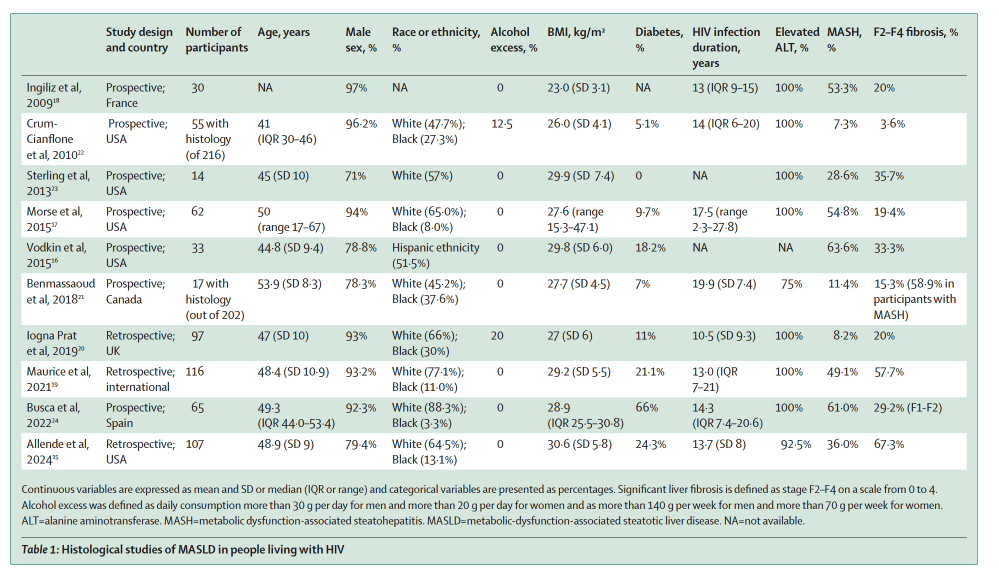
Approximately 20-41% of people living with HIV have MASLD, and significant liver fibrosis affects 12-20% of all people living with HIV, suggesting a fibrosis burden that exceeds that of the general population. Since 2024, approvals of resmetirom and semaglutide have transformed the therapeutic landscape for MASH with fibrosis and expanded opportunities for individualised care. Combining lifestyle interventions, optimisation of cardiometabolic comorbidities, ART optimisation, and emerging MASH-directed therapies offers the potential to improve both liver-related and overall health outcomes in people living with HIV.
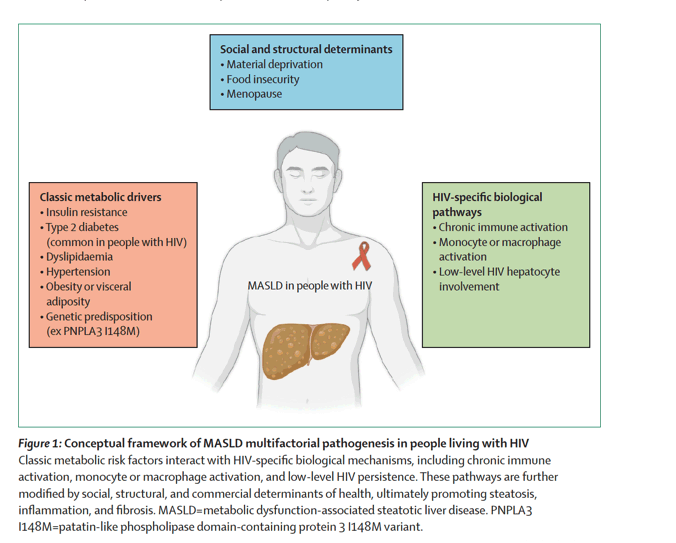
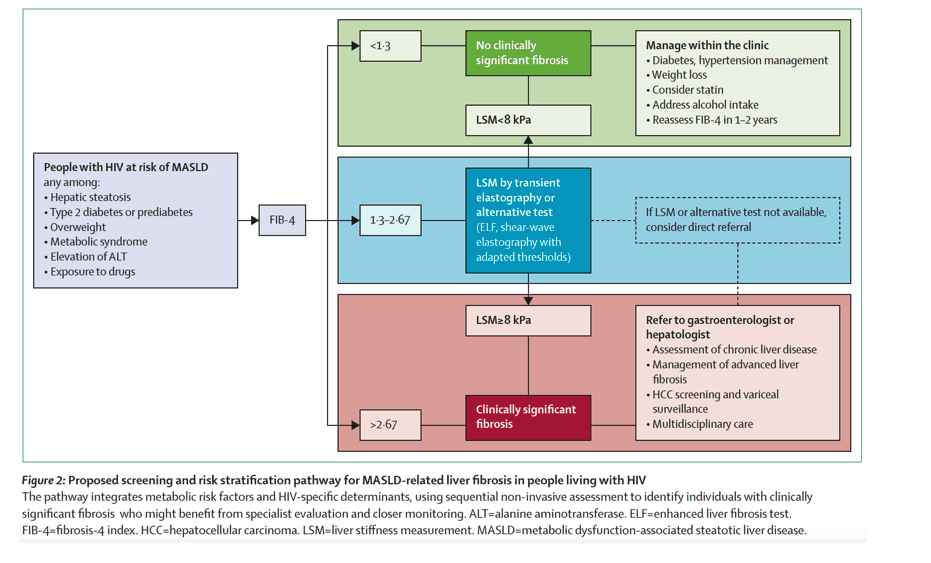
HIV-specific mechanisms, including chronic immune activation, altered adipose distribution, and historical exposure to older antiretroviral agents, contribute to a more severe metabolic liver phenotype. Sex, gender, and social determinants of health—including menopause, food insecurity, and material deprivation—further influence fibrosis risk and access to care. International guidelines now recommend routine fibrosis screening in at-risk people living with HIV with the use of non-invasive tools such as transient elastography and serum biomarkers.
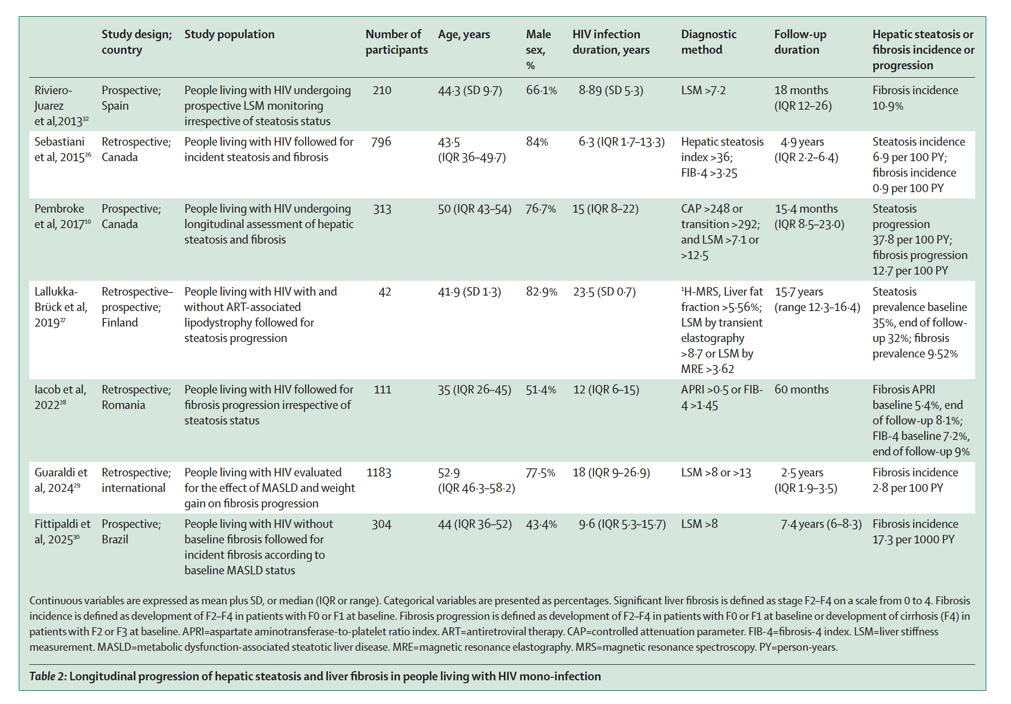
People living with HIV with MASLD might experience rates of fibrosis progression and liver-related complications at least similar to those observed in the general MASLD population, with HIV-specific factors potentially amplifying risk in some individuals. Beyond liver-related complications, MASLD is increasingly recognised as a multisystem disorder associated with cardiovascular disease, type 2 diabetes, chronic kidney disease, extrahepatic malignancies, and impaired quality of life.35 In people living with HIV, the coexistence of chronic immune activation, inflammation, and cardiometabolic dysfunction can further amplify both hepatic and extrahepatic morbidity. Longitudinal studies have shown that MASLD predicts development of metabolic comorbidities among people living with HIV alone.36
MASLD and liver fibrosis have also been linked to frailty and poorer quality of life in people living with HIV.39,40Emerging evidence further suggests a potential link between MASLD and cognitive impairment through pathways involving systemic inflammation, metabolic dysfunction, and the gut-liver axis in people living with HIV.41 Together, these findings underscore the importance of integrated cardiometabolic risk stratification and multidisciplinary care in people living with HIV with MASLD.
A 2023 meta-analysis of 43 studies including 8230 people living with HIV reported a pooled NAFLD prevalence of 33·9% (95% CI 29·7-38·4%).4 A subsequent 2025 meta-analysis using updated SLD nomenclature reported an overall prevalence of 39% (33-44%) across 58 studies.1 Prevalence was highest in high-income regions, reaching 41% and particularly affecting North America and Europe, where metabolic comorbidities and long-term ART exposure are common.
Lifestyle interventions, optimisation of metabolic comorbidities, and emerging therapies including glucagon-like peptide-1 receptor agonists are reshaping management. Inclusion of people living with HIV in MASLD therapeutic trials remains a major, unmet research priority.
|
|
| |
| |
|
|
|


