| |
Cancer incidence and risk factors among people with HIV in REPRIEVE
|
| |
| |
AIDS September 18, 2026
Download the PDF here
Cancer incidence in HICs was more than two-fold higher than in LMICs, driven primarily by both infection-related and noninfection-related NADCs. Our findings confirm a high cancer incidence in PWH well treated with ART, with the majority of events being noninfection-related NADCs.
Objective:
Cancer is a leading cause of morbidity and mortality among people with HIV (PWH), who face a greater risk than the general population. An enhanced understanding of cancer incidence and associated risk factors among PWH receiving effective antiretroviral therapy (ART) may guide targeted preventive interventions.
Design and methods:
Analyses included REPRIEVE participants without cancer at baseline, followed until first cancer incidence or trial end. Incidence rates were computed for all cancers, AIDS-defining cancers (ADCs), non-AIDS-defining cancers (NADCs), both infection-related and noninfection-related, by Global Burden of Disease (GBD) region and sex. Cause-specific Cox models assessed associations with traditional [age, sex, region, body mass index (BMI), smoking] and HIV-related (nadir CD4, baseline CD4, CD4/CD8 ratio) factors.
Results:
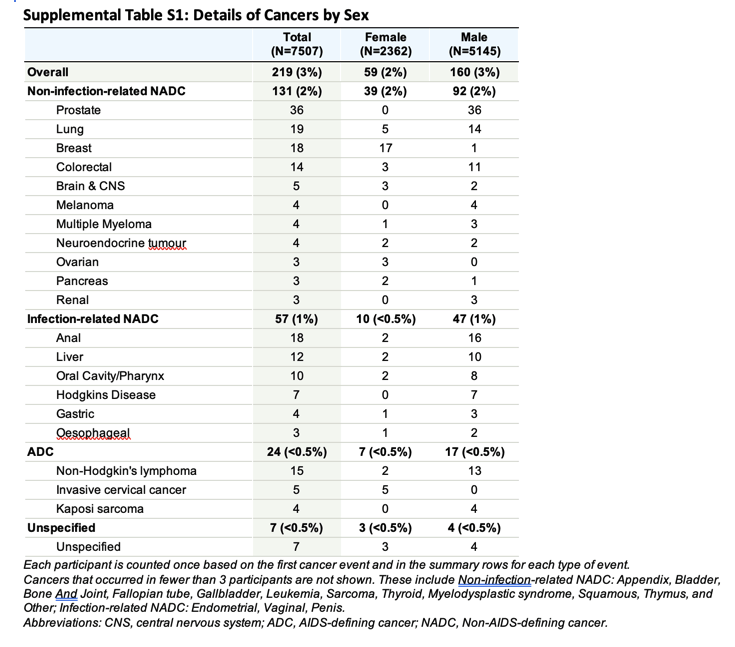
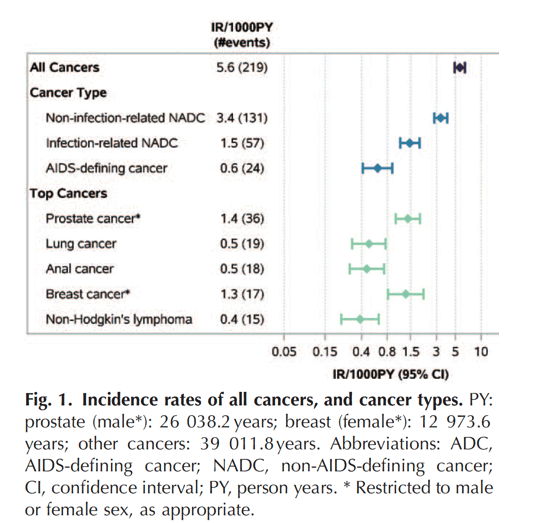
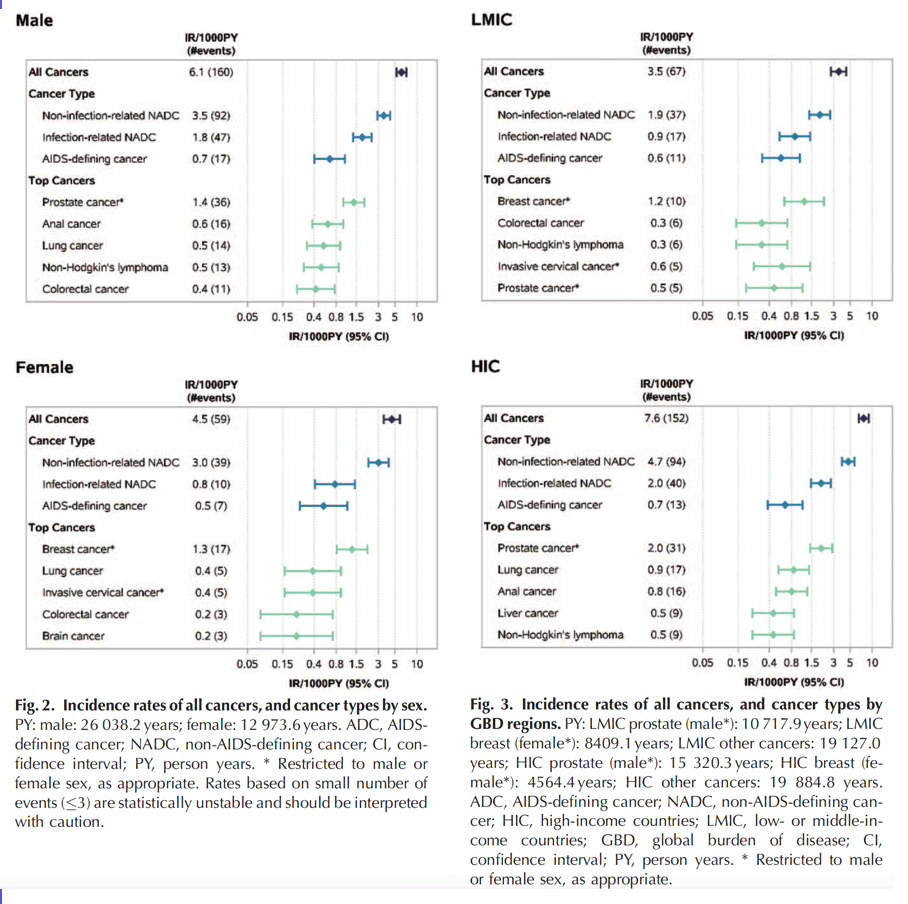
the median age was 50 years (Q1-Q3: 45-55). Among 7507 participants (31.5% women) with median follow-up of 5.6 (Q1-Q3: 4.6-6.3) years, 219 incident cancers occurred [incidence rate (IR): 5.6 per 1000 person-years, 95% confidence interval (CI): 4.9-6.4]. Noninfection-related NADCs were most common (3.4 [2.8-4.0]), followed by infection-related NADCs (1.5 [1.1-1.9]) and ADCs (0.6 [0.4-0.9]). Incidence was higher in males and participants from high-income countries.
Leading cancers included prostate, breast, lung, and anal.
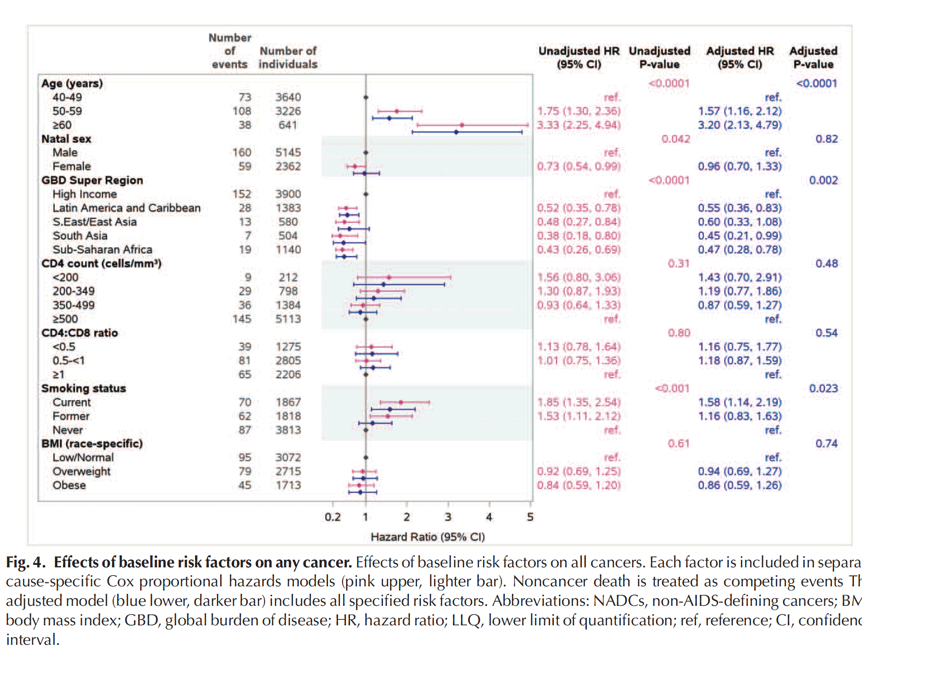
Older age, high-income country residence, and current smoking were independently associated with higher cancer risk, whereas sex, BMI, and HIV-related factors were not.
Anal cancer (n = 18, 32%), liver cancer (n = 12, 21%), and oral cavity or pharyngeal cancer (n = 10, 18%) were the most common infection-related NADCs. Of the liver cancer cases, 17% (n = 2) had HBV infection, while none had HCV infection at baseline. The leading noninfection-related NADCs included prostate cancer (n = 36, 27%), lung cancer (n = 19, 15%), and breast cancer (n = 18, 14%). Notably, 95% (n = 18) of lung cancer occurred in participants with a history of cigarette smoking (13 current and 5 former smokers).
Prostate cancer was the most common type of cancer in males (IR: 1.4, 95% CI: 1.0, 1.9, per 1000 person-years), while breast cancer was the most common type of cancer in females (IR: 1.3, 95% CI: 0.8, 2.1). The top three cancers in HICs were prostate cancer (IR: 2.0, 95% CI: 1.4, 2.9), lung cancer (IR: 0.9, 95% CI: 0.5, 1.4), and anal cancer (IR: 0.8, 95% CI: 0.5, 1.3). In contrast, the top three cancers in LMICs were breast cancer (IR: 1.2, 95% CI: 0.6, 2.2), colorectal cancer (IR: 0.3, 95% CI: 0.1, 0.7), and non-Hodgkin lymphoma (IR: 0.3, 95% CI: 0.1, 0.7).
Breast cancer was the leading cancer among females in both HICs (IR: 1.5; 95% CI: 0.7-3.2) and LMICs (IR: 1.2; 95% CI: 0.6-2.2).
Among HIV-related risk factors, lower CD4 count was associated with increased risk of infection-related NADCs and virus-associated cancers. In fully adjusted models, Baseline CD4+ cell count, CD4/CD8 ratio, sex, or BMI showed no independent associations with the hazard of any cancer or specific cancer types in this population.
Conclusions:
In a global cohort of PWH on effective ART, cancer remains an important comorbidity, with risk varying by demographic and behavioral factors. Targeted prevention strategies, particularly smoking cessation and age- and region-specific cancer screening approaches, may help reduce cancer burden in this population.
|
|
| |
| |
|
|
|


