 |
|
|
| |
HIV and Cardiovascular Disease C
Modern A+ Management of HIV Co-Morbidities
|
| |
| |
ID Week October 22 2026 Wash DC
Virginia A. Triant MD MPH FIDSAC
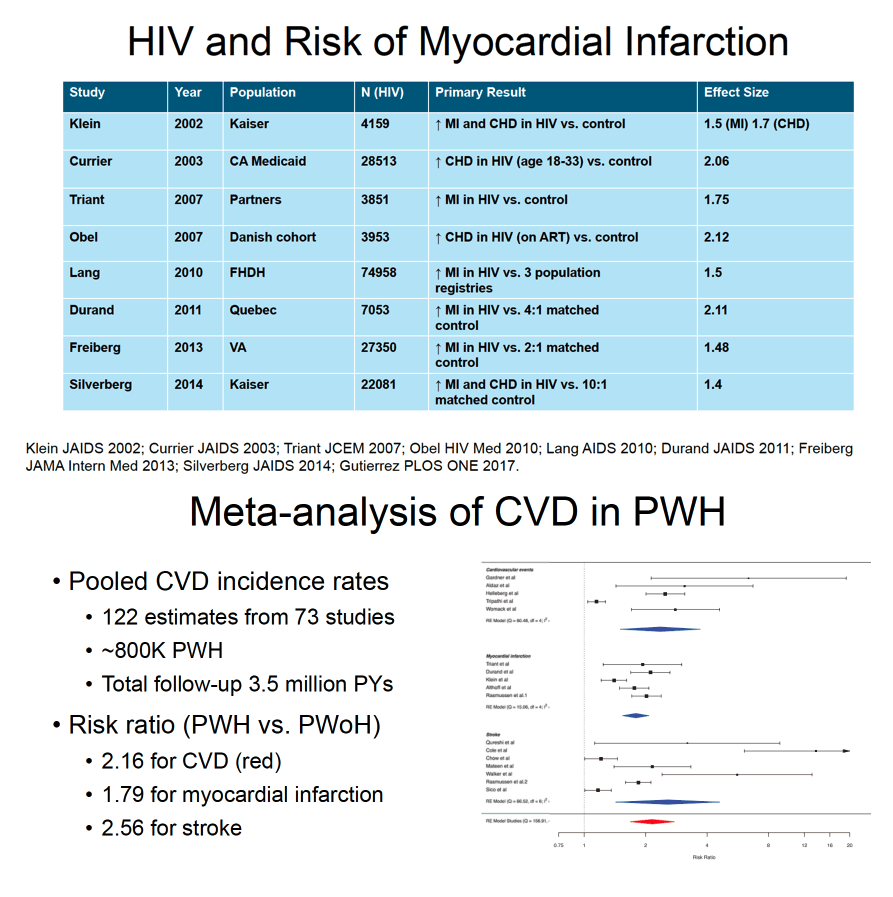
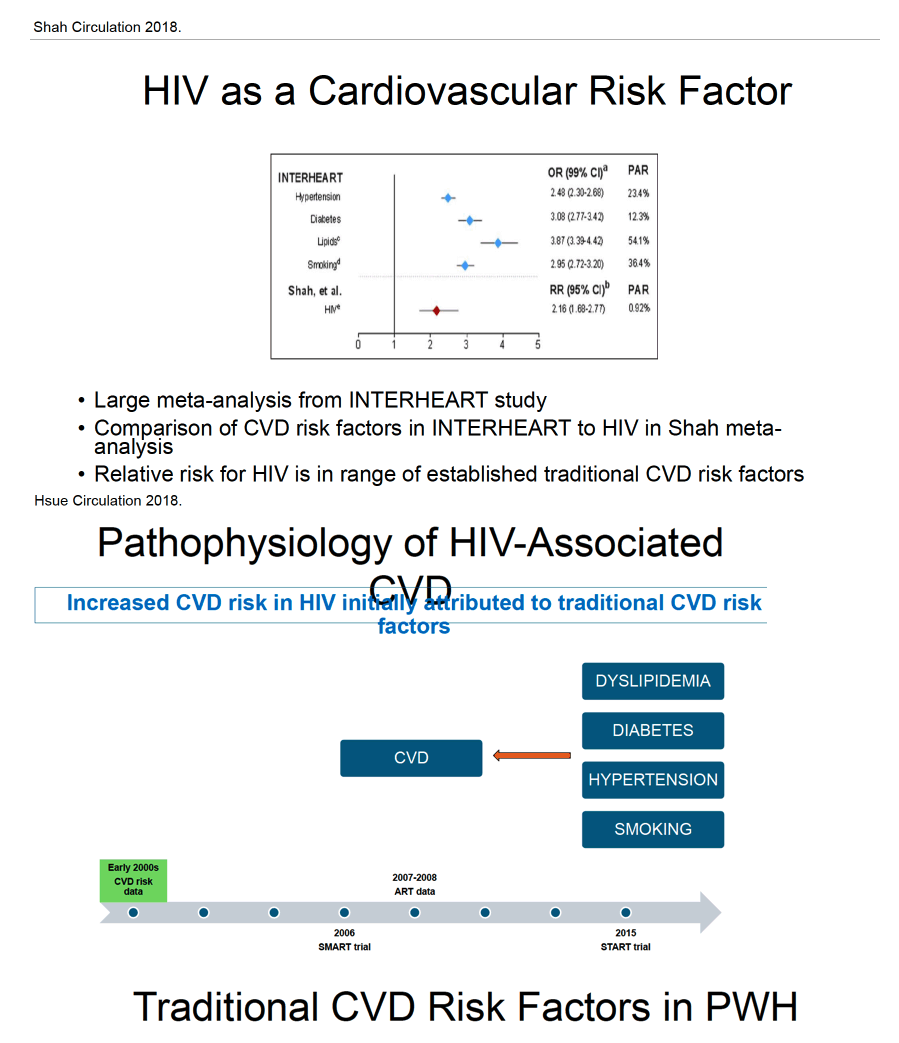
"HIV holds its own as a risk factor for developing cardiovascular disease," Virginia Triant, MD, MPHC
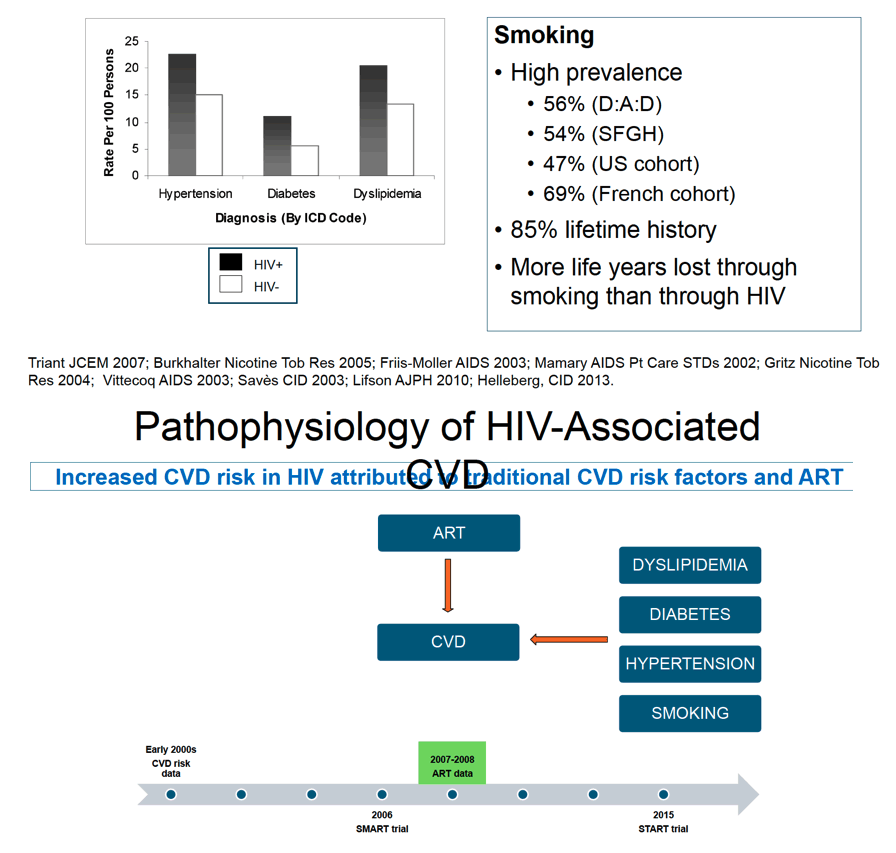
Traditional factors play a part in the elevated cardiovascular risks linked to HIV. People with HIV have greater rates of hypertension, diabetes, and dyslipidemia than their HIV-negative counterparts, Triant noted. Research also shows an 85% lifetime history of smoking among those with HIV.C
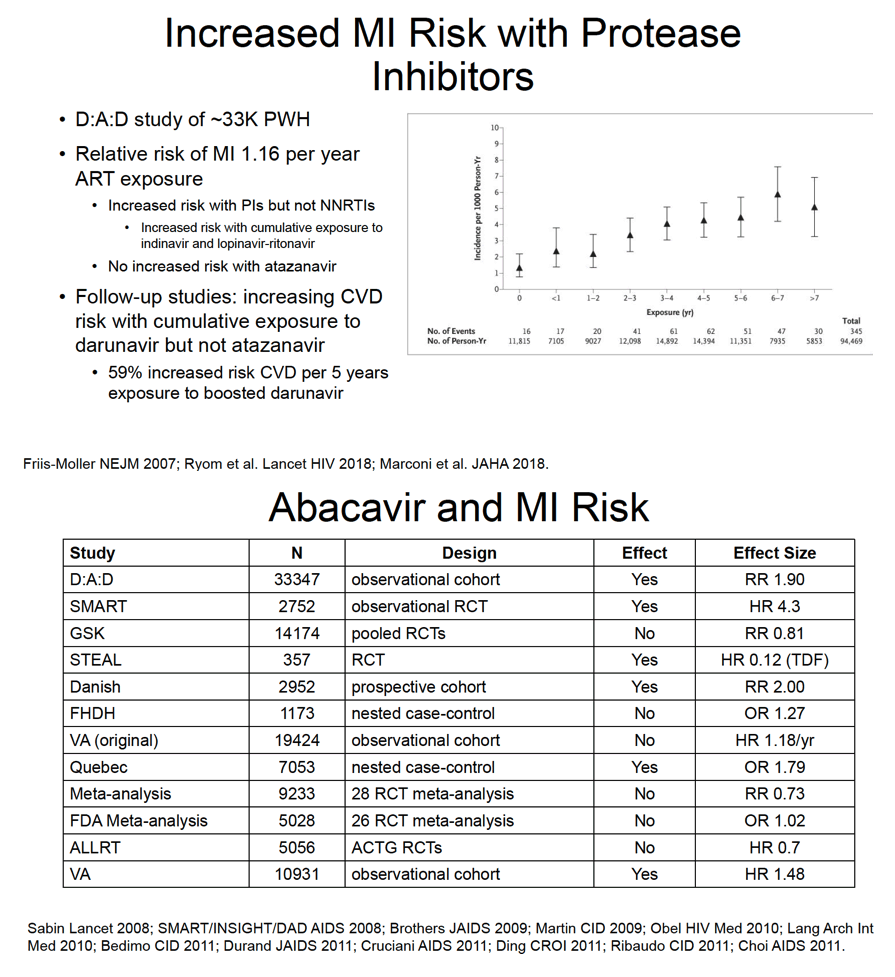
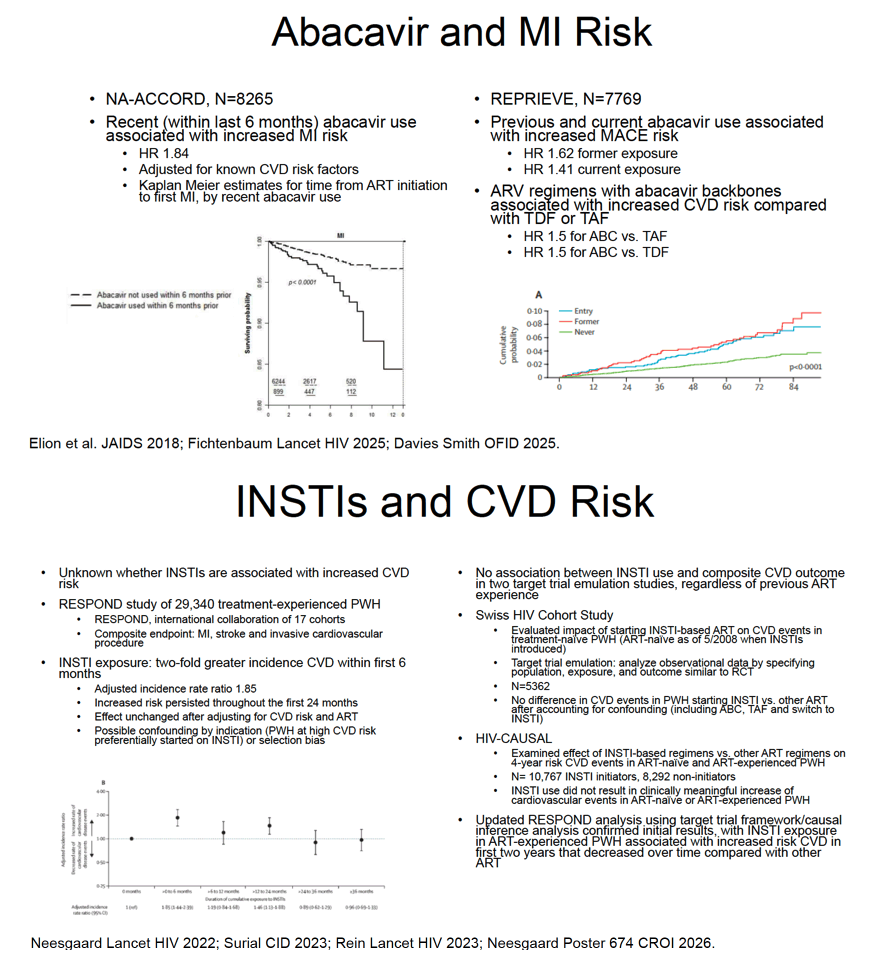
Early protease inhibitors like darunavir were linked with cumulative myocardial infarction risks, and recent use of the nucleoside reverse transcriptase inhibitor abacavir was tied to increased myocardial infarction risk. It's not clear whether integrase strand transfer inhibitors also boost cardiovascular risk, with conflicting results from the RESPOND and HIV-CAUSAL studies.C
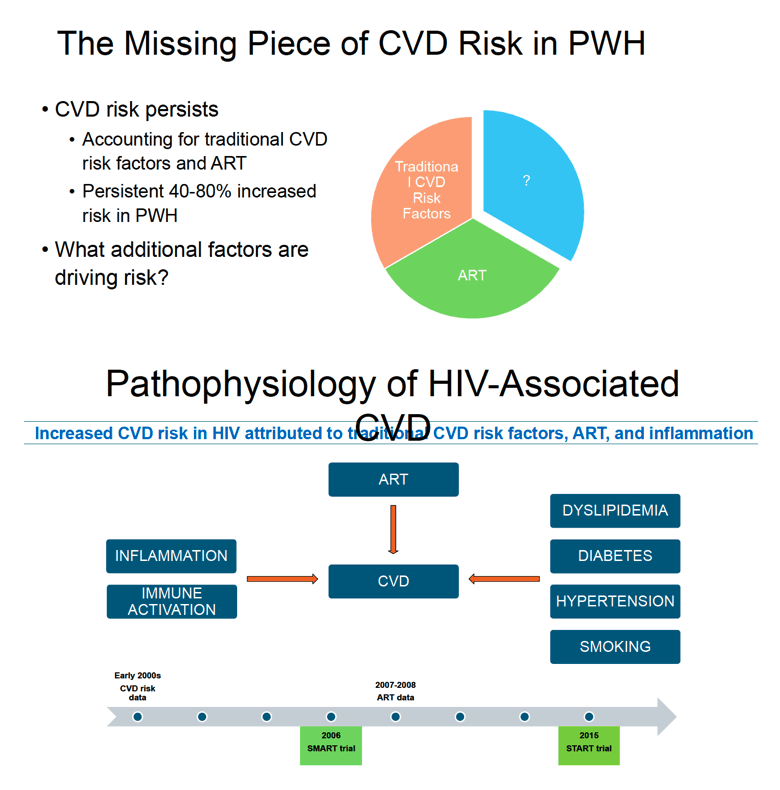
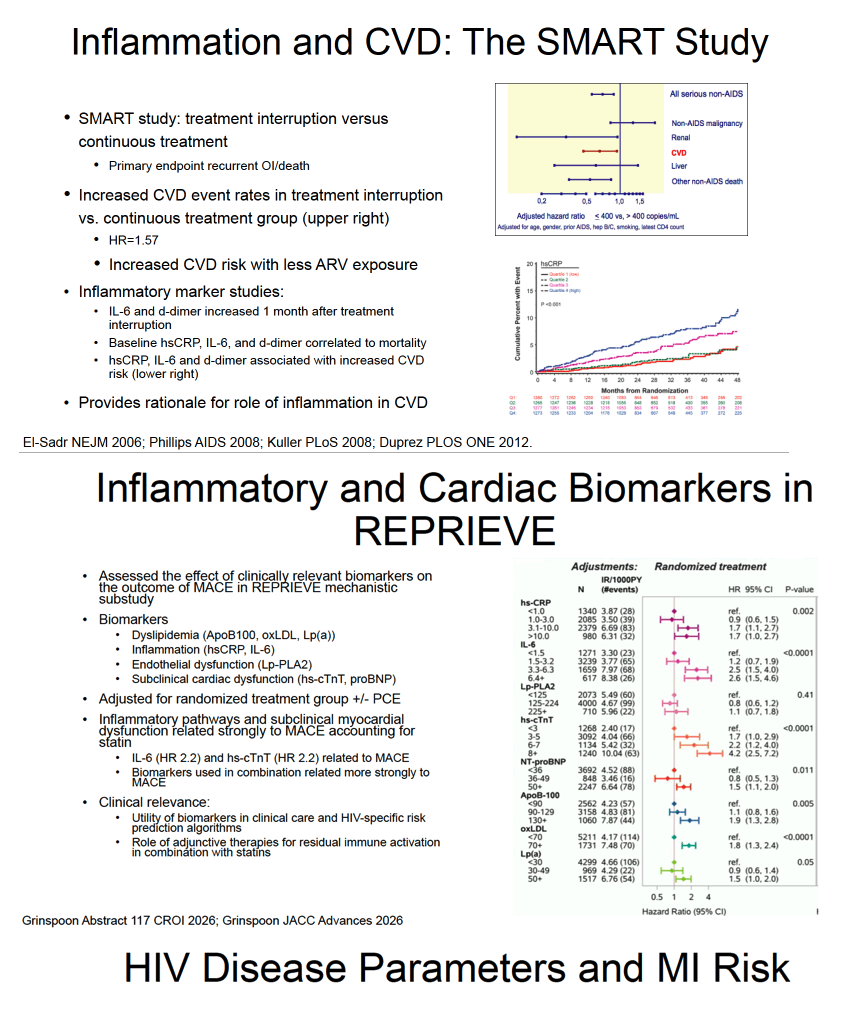
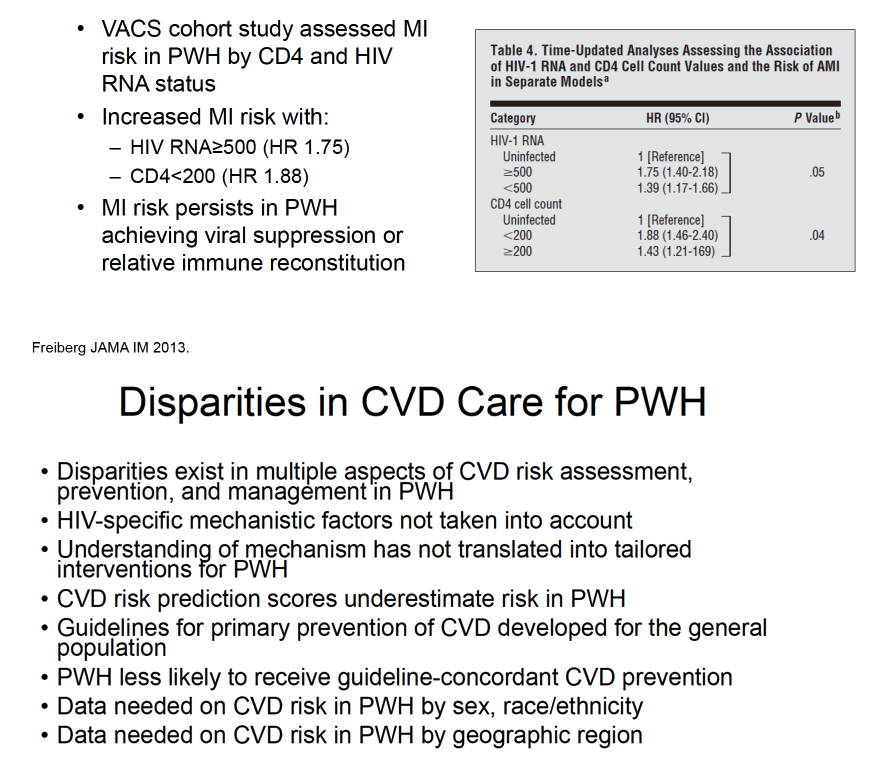
After accounting for traditional risk factors and antiretroviral therapy, there's still a missing piece to the cardiovascular risk puzzle, Triant said. That piece may be the inflammation that comes with HIV.C
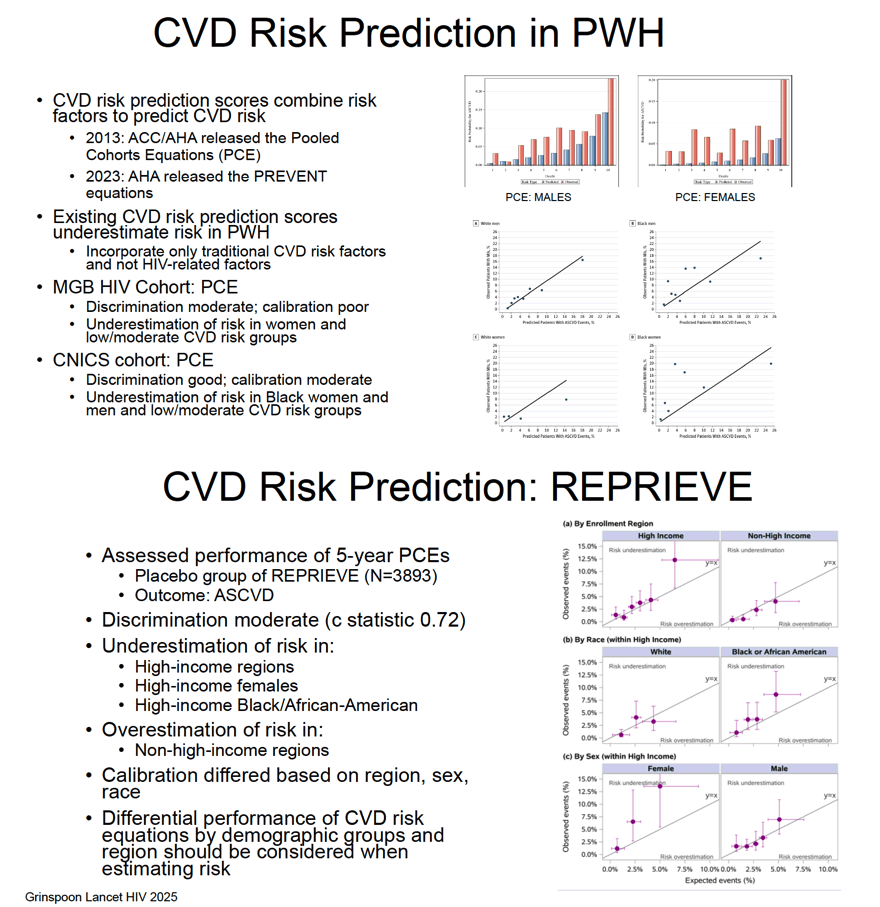
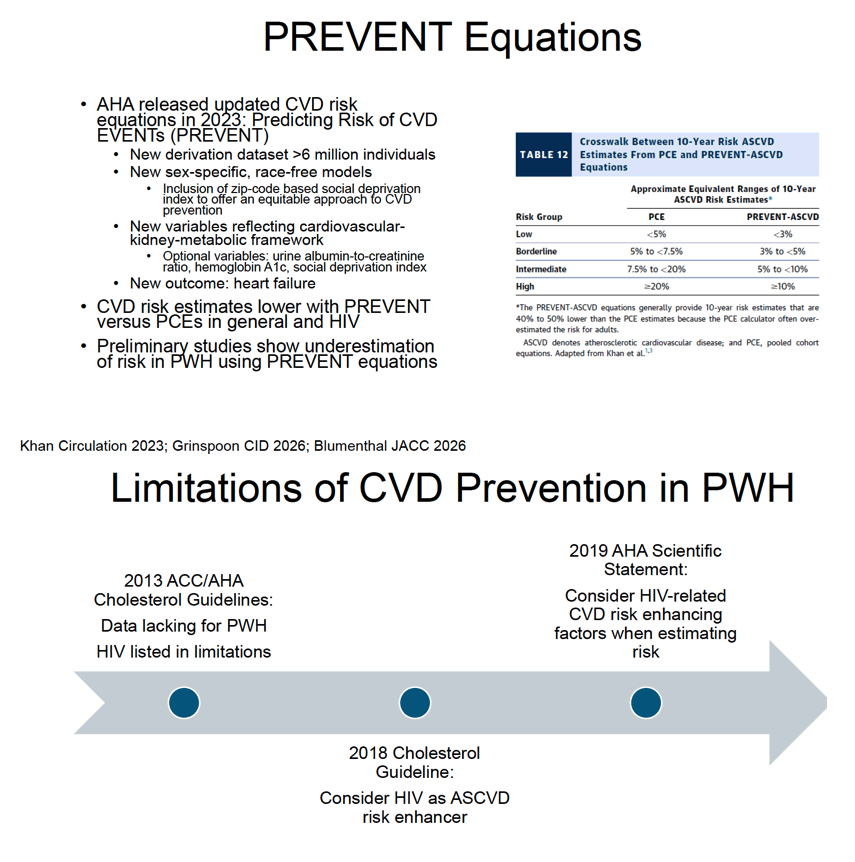
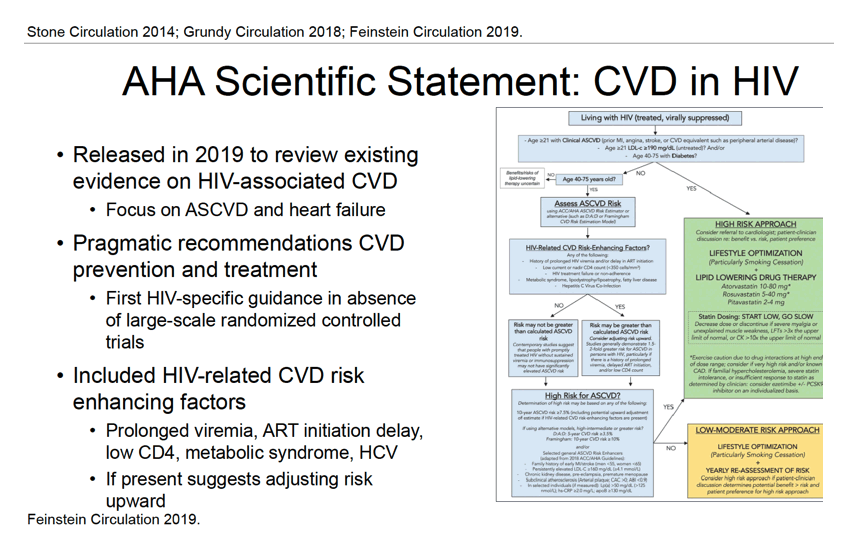
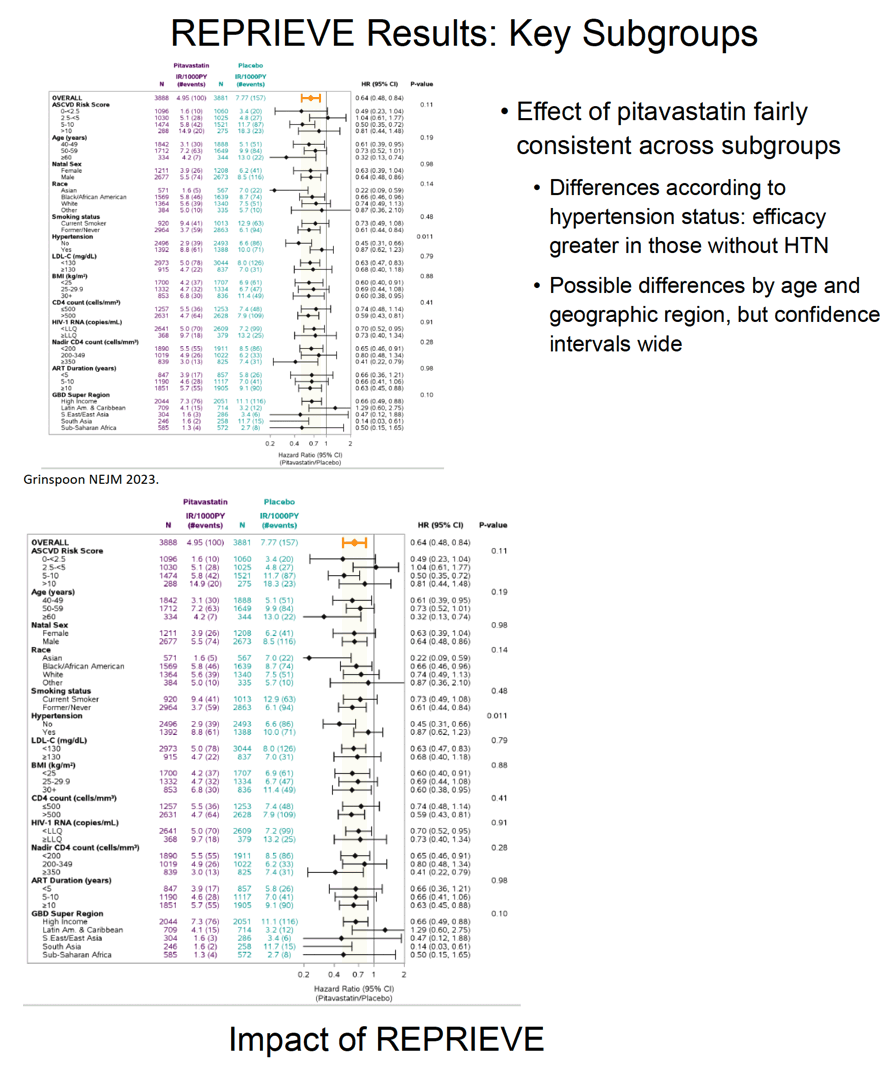
Existing cardiovascular risk prediction scores for the general population fall short among people with HIV, incorporating only traditional risk factors without including HIV-related factors, Triant said. Even among those with HIV, cardiovascular risk varies by sex, race, ethnicity, and geographic location.C
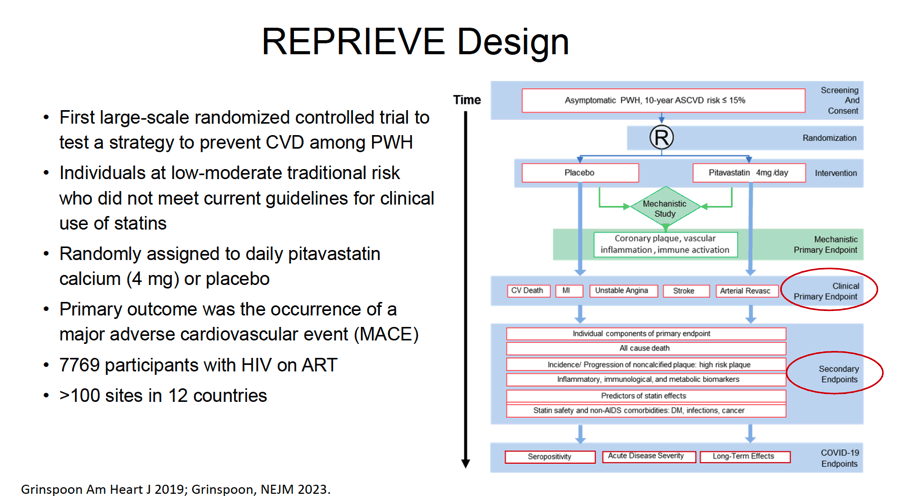
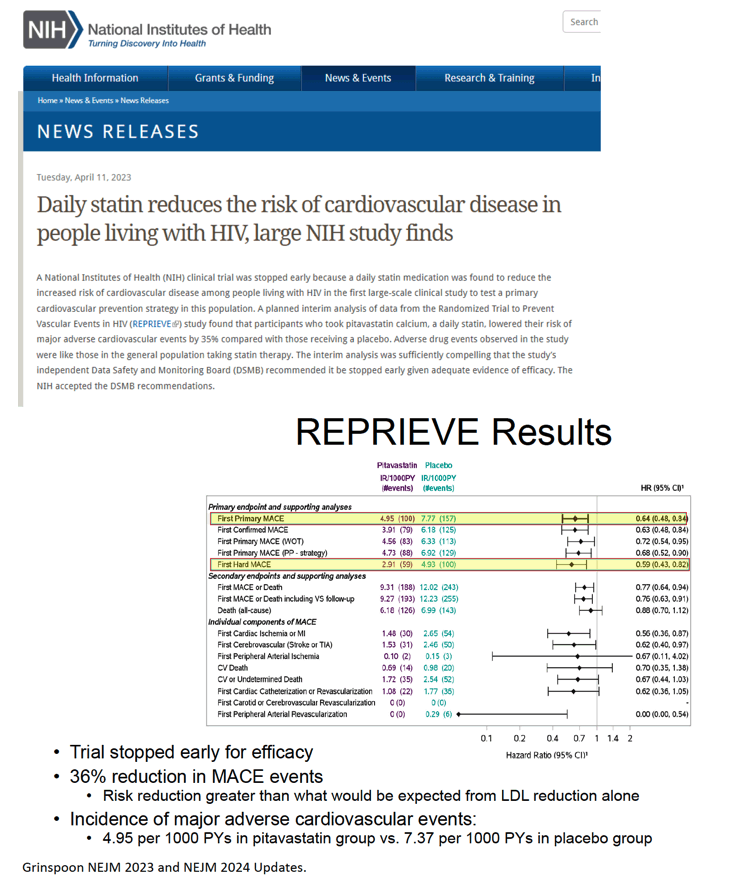
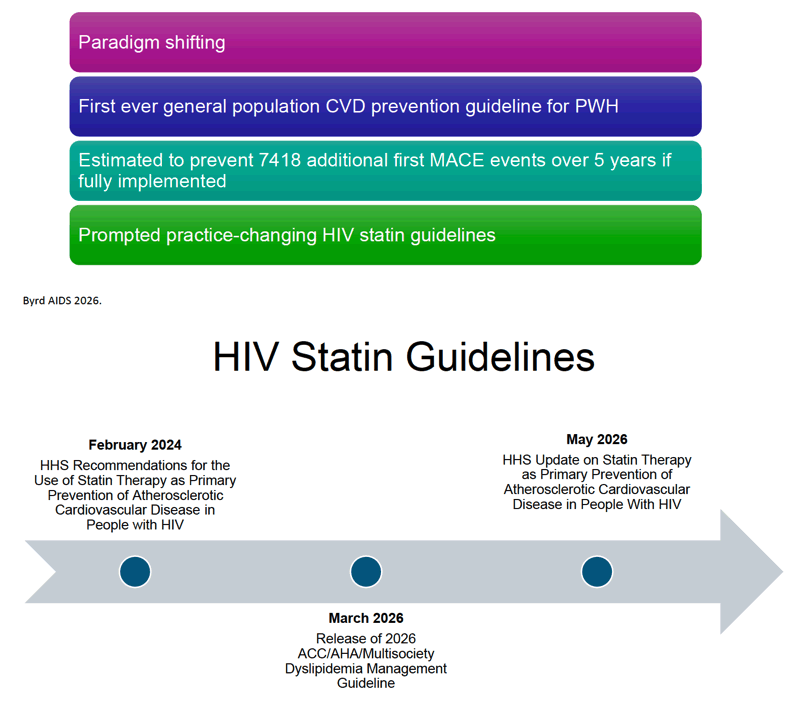
The REPRIEVE findings have spurred practice-changing guidelines for people with HIV, Triant said.C
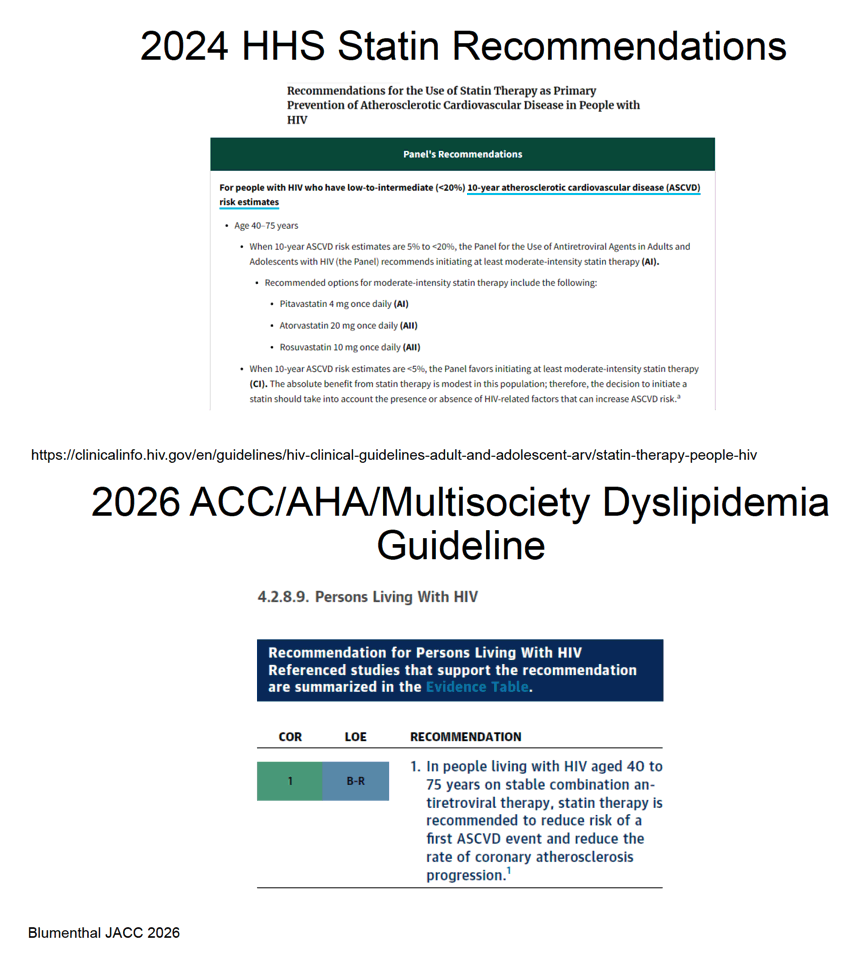
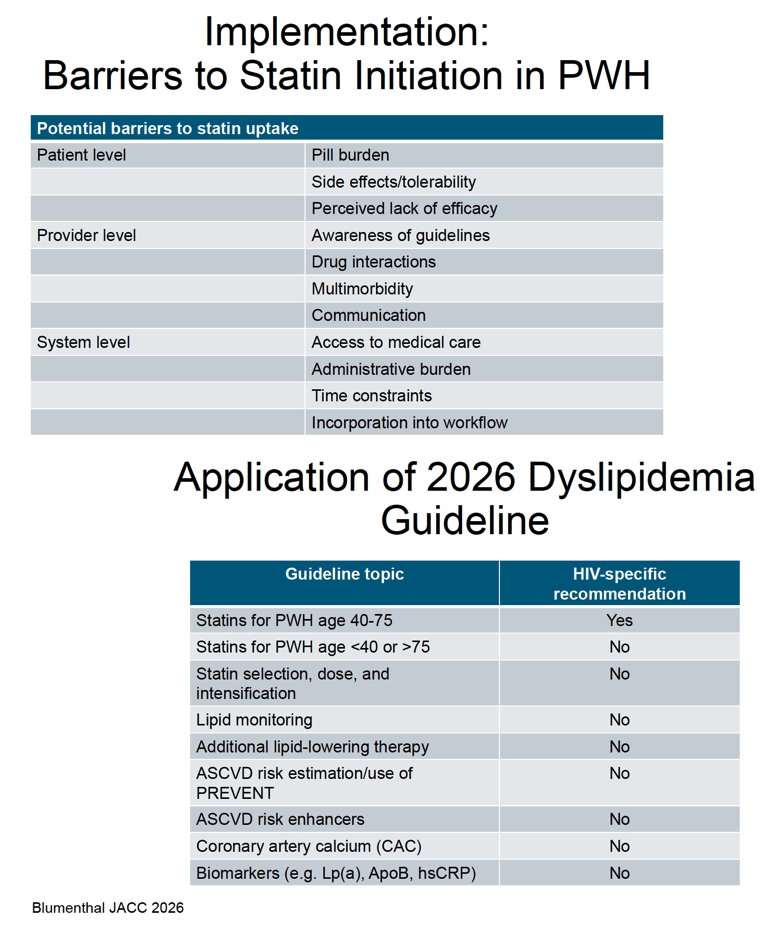
In 2024, an HHS panel rolled out recommendations calling for daily moderate-intensity statins in people with HIV ages 40 to 75 years with low to intermediate (less than 20%) 10-year risk of atherosclerotic cardiovascular disease (ASCVD). In those with less than 5% risk, the HHS panel favored starting at least moderate-intensity statins.C
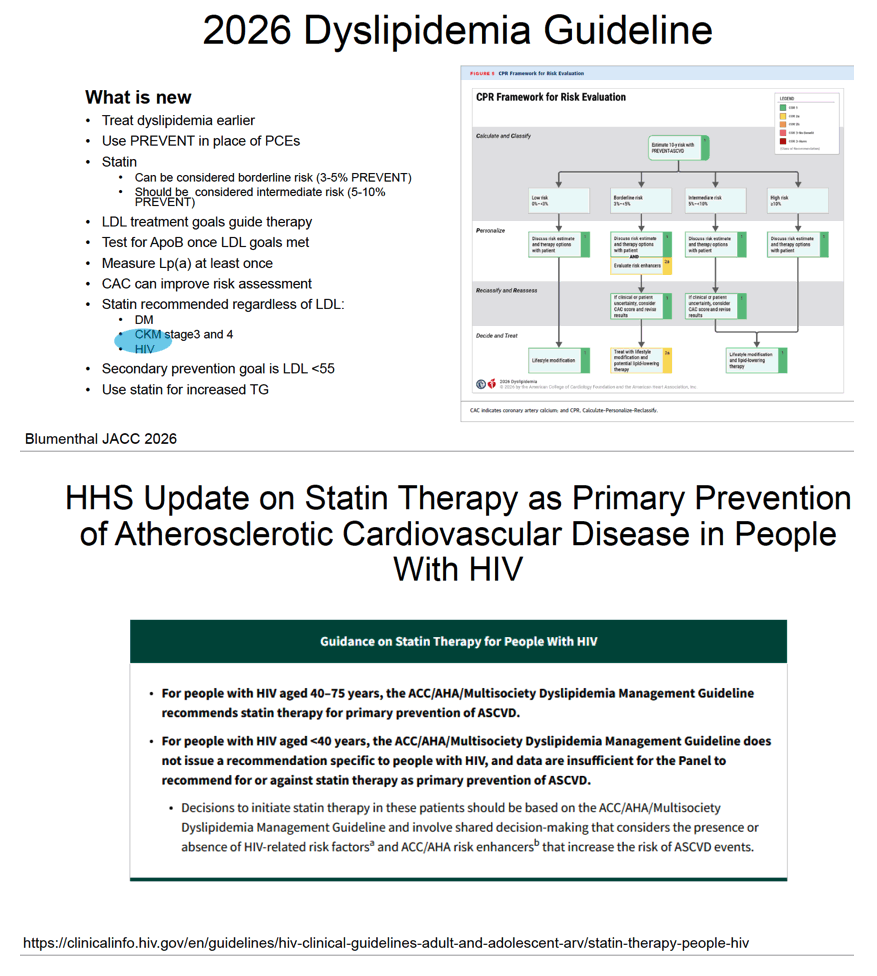
The American College of Cardiology and other societies followed that with a dyslipidemia guideline in 2026 that recommended that everyone with HIV ages 40 to 75 years on ART receive statin therapy to reduce ASCVD event risk and slow coronary atherosclerosis.C
"This is really a striking recommendation, and an important one for the field," Triant explained. "Notably, this is regardless of calculated baseline risk, regardless of LDL, for people in this age group."C
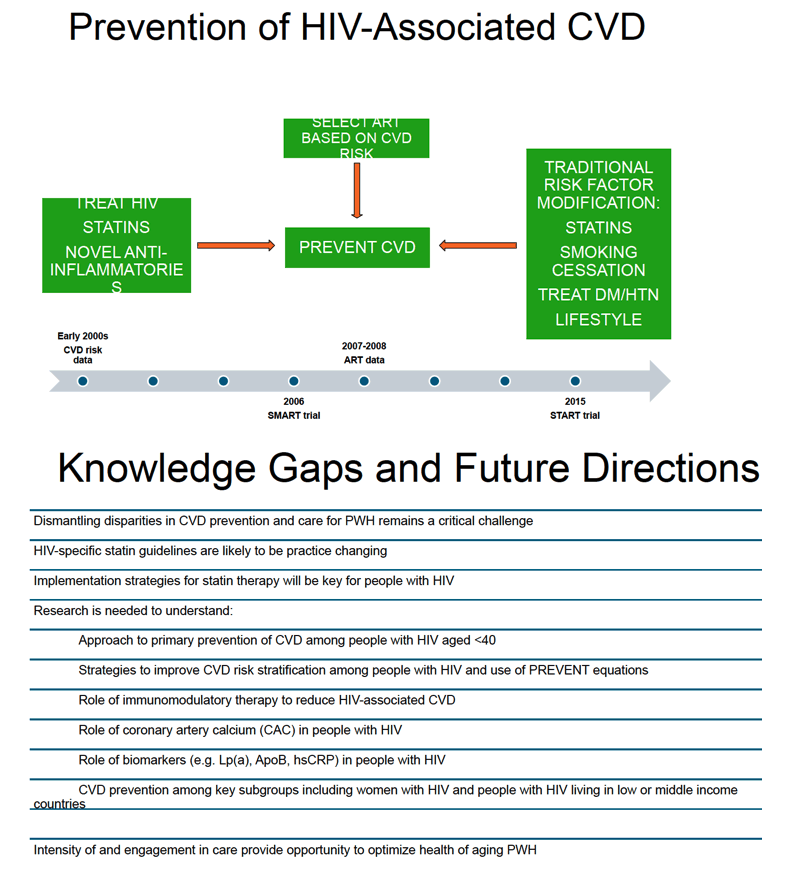
Clinicians might want to consider starting statins at age 30 for those with HIV, she added. "I would strongly consider HIV to be an ASCVD risk enhancer, even at that age, even though we don't have the trial data," Triant said.C
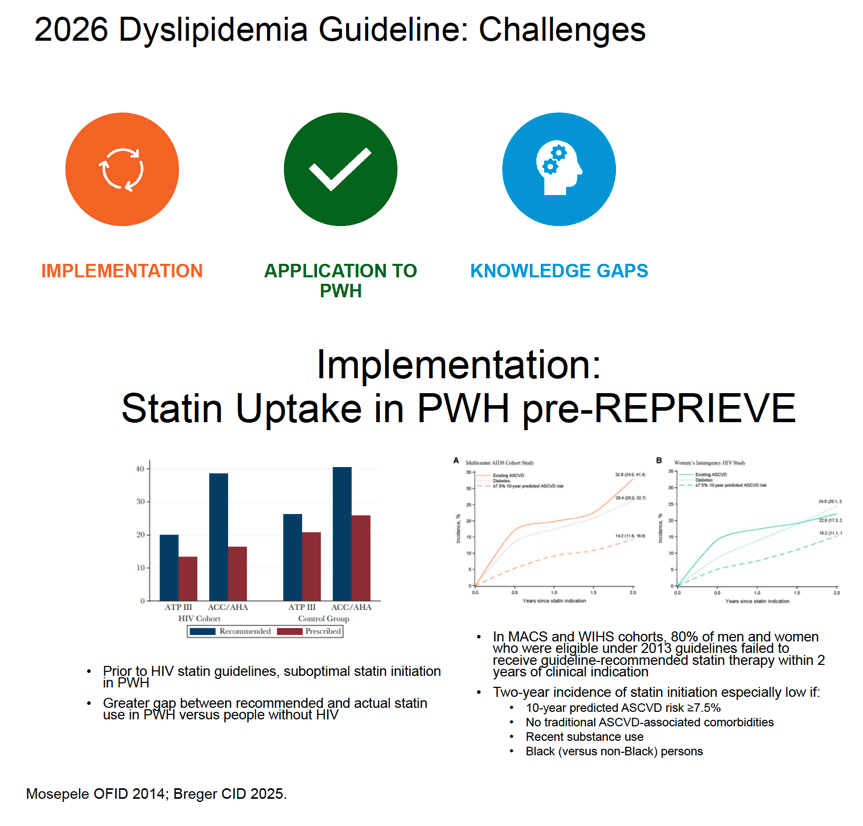
Even with these newly tailored guidelines, implementation will be a challenge, she noted. Statin uptake in people with HIV was suboptimal before REPRIEVE, with 80% of patients eligible for statins under earlier guidelines not getting them.C
"Dismantling disparities that we know exist in cardiovascular prevention and care remains a critical challenge,"C
https://www.medpagetoday.com/spotlight/idweek-hiv/123834
|
| |
|
|
|
|
|

